
Post Selection
Square Column, H-Pole or Y-Post: Select a Precast Post Profile
Identify the function of the post before specifying its profile, grooves, wire-hole positions and mould release arrangement.
By Paras Steel Industries ·
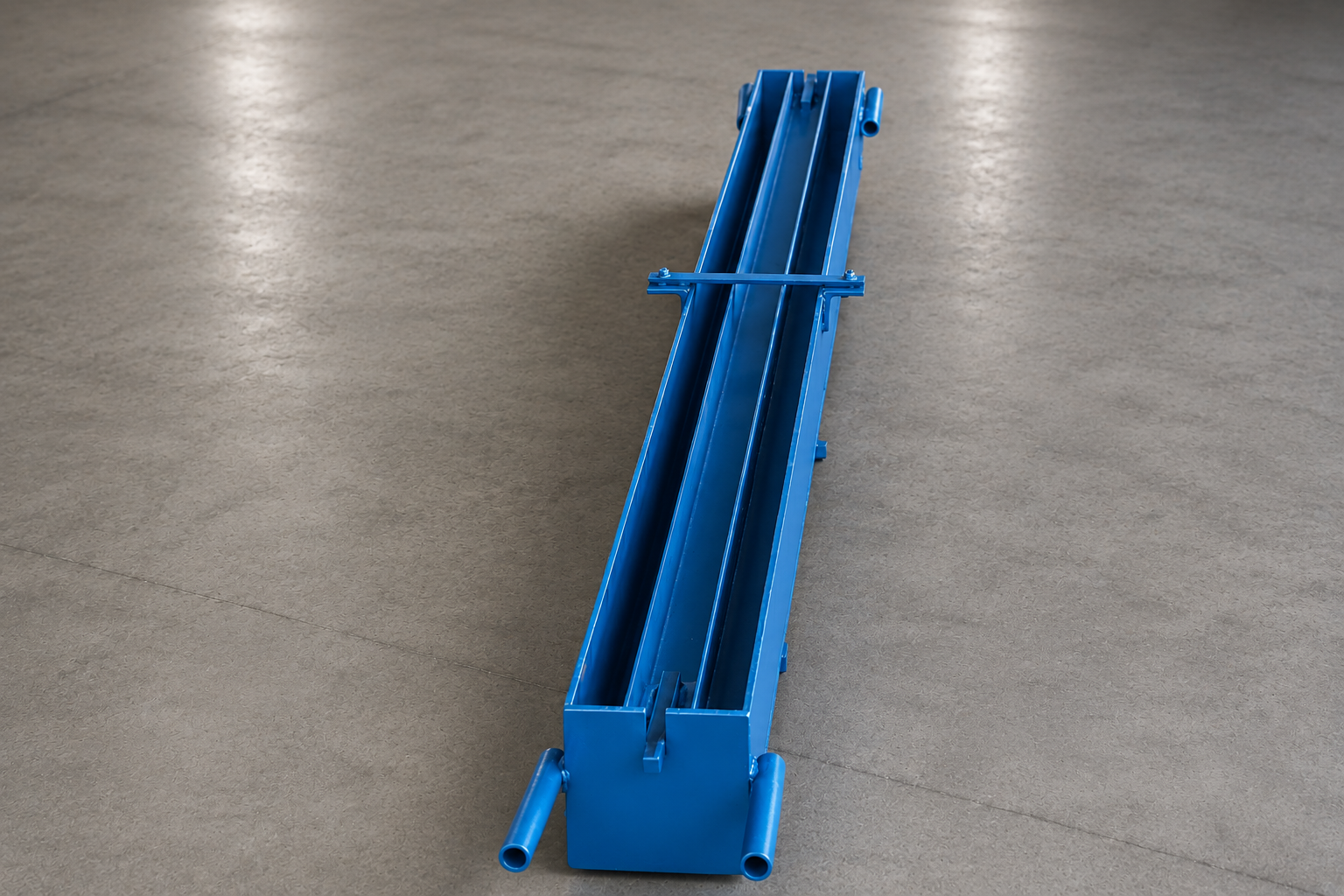
Match the post to its connection
A square precast column, a grooved H-pole for wall panels and a Y-arm security fencing post serve different connection needs. Standard fencing posts are specified around the fence arrangement and wire holes. Do not choose a mould simply because two post sections have similar nominal dimensions.
For a wall system, begin with the panel thickness and groove detail. For fencing, begin with the wire arrangement, hole positions and required post length. The structural design, reinforcement and foundation are project decisions that must be approved before the mould drawing is finalised.
Specify profiles and embedded details
The square column page lists 150 x 150, 250 x 250 and 300 x 300 mm configurations. The flip-over H-pole page lists a 150 x 150 mm profile with dual-side grooves. These dimensions describe different geometries; confirm groove clearances and local wall thickness on the approved section.
For Y-posts, include the arm angle, arm length and wire-hole pattern. For fencing posts, identify holes, rebates or inserts that must be cast in place. Show their locations from a defined datum so the supplier can review repeatable positioning.
Review casting and release requirements
Confirm cavity quantity and post length before estimating output. Ask how removable pins and cores are released, where the mould opens and how the finished post is supported during lifting. A flip-over configuration requires its own handling clearance and operating review.
Check the available compaction system and reinforcement cage access. A profile that looks straightforward on paper may need additional release movement or removable features. Discuss these details before selecting a mould layout or planning the factory floor.
Prepare a quotation with comparable scope
Provide the section drawing, length, hole pattern, reinforcement arrangement, number of cavities and intended production target. Include the existing handling equipment and destination. Request confirmation of supplied fixtures and any operating equipment that is excluded.
Compare a complete multi-cavity line with another complete line, and a single H-pole configuration with the same scope. A per-kilogram fabrication rate cannot be compared directly with a starting price per mould. Confirm the total configuration cost and operating assumptions in writing.